
I have lived in the Lilydale District since the early 1970’s and have seen many changes since then and thought I knew everything about the town.
I have been a member of the Society for over 10 years and find that almost every day I am learning something more about Lilydale that I never knew before. There is a rich and fascinating history behind every one of the old buildings that still remain in the Main Street.
Lilydale township was first surveyed in 1860 and land sales in the town were held.
Within two years there were a post office, a store, a butcher’s shop and a hotel.
The northern area was planted with several large vineyards and some smaller vineyards adjoining the township.
Lilydale was now beginning to grow.
I am introducing you to an old remnant of that time, a Lilydale business that has now gone and no longer exists, only a ghost of it remains.
It was the first industry to take off in Lilydale and it was a Tannery.
Tanning was the process of transforming animal skins into leather.
The Lilydale Rate Books for February 1872 show the Tannery owner as a Richard Hand, a Currier (old term for a work who tans hides), The Tannery buildings occupied two blocks on the south side of Market Street between Clarke Street and the Olinda Creek Reserve.
The tannery works comprised a series of pits used for soaking and cleaning the hides and there was also a bark mill which chopped up the wattle bark for the
tannin which was to be used in the tanning process.
The machinery at the tannery was operated by a four horse power water wheel, which was fed by a tributary that was cut from the Olinda Creek in 1879.
The great rush of water flowing down the tributary kept this wheel in motion.
The fine leather produced from this valuable industry was used to make book covers, harnesses, saddles, bridles, gloves, etc.
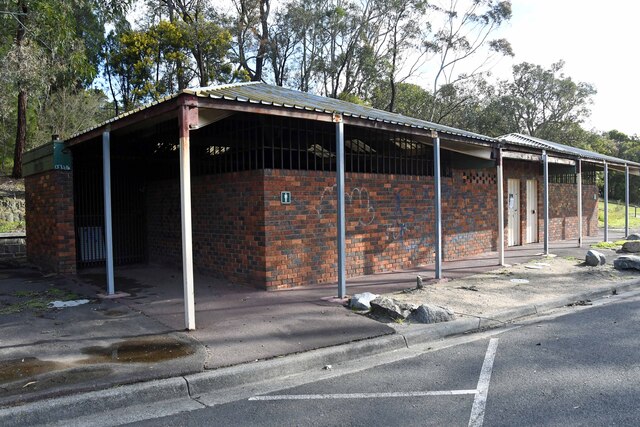
Today, all that remains of the Lilydale Tannery is the David Wilkinson Pavilion owned by the Lilydale Agricultural Show Society, with the Jean Eales Pavilion
standing on most of the old tannery site.
If you would love to find out more about the history of some of our buildings, industries and places, read our book Public Places Public Lives 1860s to 1870s available from our website shop at www.lilydalehistorical.com.au for $25.00.