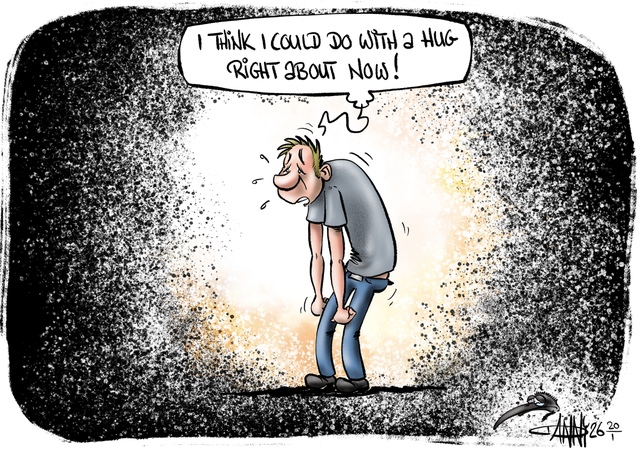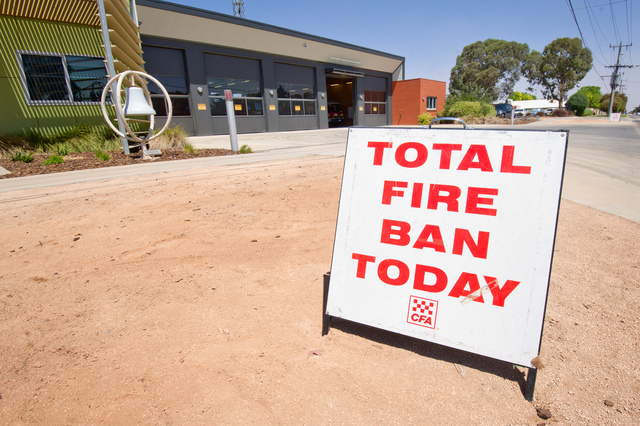
It’s been a difficult and anxious week for many as bushfires rip through the state, inching close to our own community on Friday 10 January.
Marked the worst fire danger day since the Black Saturday bushfires, the sweltering heat, gusty winds and smell of smoke in the distance brought to the surface the traumatic memories of that fateful day on 7 February 2009.
Victorians are heartbroken by news of the loss of life in the Longwood fire, and my thoughts remain with the family and friends of all those who have been impacted by these ferocious fires.
Amid the tragedy and heartbreak, we saw the very best of our community spirit.
CFA volunteers from across our region met the call and ran towards the danger, spending countless hours defending property and protecting life in and around Yarck, Alexandra, Longwood, Mt Lawson, Cudgewa and other parts of our state.
Volunteers were also quick to jump on fires here in our own community – swiftly bringing under control fires in St Andrews, Warburton and Seville and preventing larger incidents here on home soil.
But the experience of those on the frontline also exposed flaws in our emergency preparedness – in particular, in our communications network that is supposed to keep Victorians connected when it matters most.
We’ve seen reports of CFA volunteers losing phone service while on active firefighting duty on the worst day Victoria has seen since the Black Saturday bushfires.
There were volunteers left finding other trucks on the ground to relay vital information, and reports of locals evacuating towards town with no reception and no knowledge of
which way the fire front was heading.
I witnessed firsthand the impact of communications going down during the 2009 Black Saturday bushfires, and again in the June 2021 storms that ravaged through my community in the Yarra Ranges.
As a tree fell across the driveway, I remember the frightening realisation that if another tree dropped through our home and injured us, we wouldn’t have been able to call for help.
It’s a feeling I won’t forget. The panic of losing access to information and help during a natural disaster is something I don’t want any Australian to experience.
A connected phone line can be the difference between life and death.
Telstra has confirmed a power outage near the Natimuk bushfire temporarily cut services, with a back-up generator suffering a mechanical fault in the extreme conditions. Optus also underwent outages in some areas.
It is for this reason that the government must prioritise the implementation of Temporary Disaster Roaming (TDR).
This would allow customers of one mobile network to temporarily connect to another network in a disaster affected area – regardless of who they normally pay their bill to.
This means if your provider’s network is down, but another provider’s network is still available, your phone would automatically connect to use basic services, like making a call, during an emergency period.
This technology already exists in countries like the United States and Canada.
In April 2024, the former Communications Minister told us that she was ‘optimistic’ that a workable capability of TDR would be available ‘by the end of the year.’
Well, the end of 2025 has come and gone, and we now approach the historically hot and humid month of February with no solution in place.
Providers have been doing their part to make TDR a reality. They’ve undertaken successful testing and they’re working together to make this capability feasible.
It’s now the Government’s responsibility to ensure that this emergency capability is rolled out across the country.
The best time to act was months ago. The second best time is now.
We must do all we can to ensure Australians remain safe and connected during times of disaster. Will the Communications Minister answer the call?
Aaron Violi is the Federal Member for Casey and Shadow Assistant Minister for Communications